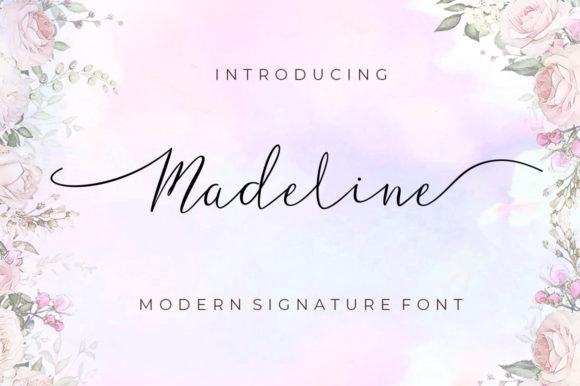
Madeline Font: Sweet Handwritten Charm for Crafters
As a maker who spends hours perfecting the curve of a vinyl cut or adjusting the kerning on a wedding invitation, I know that typography is not just an afterthought. It is the voice of your brand. When you are selling handmade goods, whether they are soy candles, custom stickers, or printed wall art, the font you choose communicates quality before the customer even touches the product. This is why discovering Madeline felt like finding a missing piece in my design toolkit. It is an elegant and sweet handwritten font that brings a delicate charm to every project it touches.
In the world of Promo items and commercial craft sales, standing out is essential. Many creators rely on the same few overused typefaces, making their shops look identical. Madeline offers a fresh alternative. It captures the warmth of personal handwriting while maintaining the structure needed for professional readability. For those of us running small businesses, this balance is critical. We need fonts that look beautiful on a mockup but also perform well when printed on textured paper or cut from adhesive vinyl.
Why Madeline Works for Handmade Products
The visual personality of Madeline is defined by its softness. Unlike rigid geometric fonts, this handwritten font flows with a natural rhythm. It feels approachable and intimate, which is exactly the vibe many handmade sellers want to convey. When a customer receives a package with a label written in Madeline, it feels personal, as if the maker wrote it by hand specifically for them. This emotional connection can turn a one-time buyer into a loyal repeat customer.
This typeface excels in projects where elegance is key but stiffness is unwanted. Think about bridal shower invitations, baby announcement cards, or boutique clothing tags. Madeline adds a layer of sophistication without feeling cold or corporate. Its delicate strokes create a sense of luxury, elevating simple products into premium gifts. For printable creators, this means your digital downloads can compete with high-end stationery brands simply by leveraging the right typography.
Practical Applications for Crafters and Sellers
One of the most common questions I get from fellow creators is where to use a script font effectively. Madeline is versatile, but it shines brightest in specific applications. Here are some practical ways to integrate this creative font into your product line:
- Product Labels and Packaging: Use Madeline for the main product name on candle labels, soap wrappers, or jar lids. Its readability at medium sizes makes it perfect for highlighting key information while keeping the design airy and clean.
- Wedding and Event Stationery: From save-the-dates to place cards, Madeline adds a romantic touch. It works beautifully for names and dates, creating a focal point that draws the eye immediately.
- Home Decor and Signs: If you use a Cricut or Silhouette machine, Madeline cuts cleanly for wooden signs or acrylic decor. It is ideal for farmhouse-style quotes, nursery wall art, or personalized door hangers.
- Digital Printables and Planners: Incorporate Madeline into header designs for printable planners, greeting cards, or social media templates. It adds a human element to digital files, making them feel more organic and less template-like.
- Apparel and Totes: For heat transfer vinyl (HTV) projects, ensure you size the font large enough to preserve the thin strokes. Madeline looks stunning on tote bags, t-shirts, and aprons, especially for boutique branding or gift items.
Readability and Technical Considerations
While Madeline is undeniably beautiful, practical application requires attention to detail. As a display font, it is best suited for short phrases, titles, names, and decorative wording. It is not designed for long paragraphs of body text. Using it for extensive reading material can strain the eyes and reduce the professional look of your design. Instead, pair it with a clean, simple font for supporting text.
For those using cutting machines, pay close attention to the stroke weight. Delicate handwritten fonts can sometimes have thin connections that may tear or weed difficultly if cut too small. Always test cut a sample at your intended size. If you are designing small stickers or product labels, consider increasing the size of the text or adding a slight offset to ensure the details remain visible and durable. Previewing your design in a mockup tool can help you gauge readability before you commit to production.
Pairing Madeline for Brand Consistency
To maximize the impact of Madeline, thoughtful font pairing is essential. Combining an expressive script with a complementary typeface creates visual hierarchy and balance. Here are some effective combinations:
- Madeline + Clean Sans Serif: This is a classic modern pairing. Use a minimal sans serif for product descriptions or dates to let Madeline shine as the star. This combination works well for contemporary wedding invites and minimalist packaging.
- Madeline + Simple Serif: For a more traditional or rustic feel, pair Madeline with a subtle serif font. This adds warmth and heritage to your design, making it ideal for bakery labels, vintage-style posters, or artisanal goods.
- Madeline + Bold Display: If you need high contrast, use a bold, all-caps font for the primary headline and Madeline for a secondary accent word. This technique is popular in social media graphics and sale banners.
Consistency in your font choices helps build brand identity. When customers see Madeline used across your Instagram posts, packaging, and website, they begin to associate that specific aesthetic with your shop. This recognition builds trust and makes your brand memorable in a crowded marketplace.
Licensing and Commercial Use
Before incorporating any new asset into your workflow, it is vital to understand the licensing terms. Madeline is available as a commercial font, which means you can use it to create physical products for sale, such as shirts, mugs, and invitations. However, always check the specific license included with your purchase. Some licenses allow for unlimited physical sales but restrict the number of digital downloads or require an extended license for template creation.
If you are creating SVG files for other crafters to use, or designing editable templates for platforms like Canva or Corjl, ensure your license covers these uses. Respecting intellectual property rights protects your business and supports the font designers who create these beautiful tools. Investing in properly licensed design assets is a hallmark of a professional creator.
In conclusion, Madeline is more than just a pretty font. It is a strategic tool for enhancing the perceived value of your handmade products. By understanding its strengths, pairing it wisely, and applying it with technical precision, you can create designs that resonate with customers and elevate your brand. Whether you are crafting wedding suites or labeling homemade jams, let the delicate charm of Madeline inspire your next creation.